

Why GPs Should Refer Patients to a Personal Trainer (And How We Make It Easy)
Every week, GPs across the Hills District tell patients the same thing: “You need to exercise more.” Lose some weight….
23/10/2026
Every week, GPs across the Hills District tell patients the same thing: “You need to exercise more.” Lose some weight. Build some strength. Get your blood pressure down. Look after your bones.
It’s the right advice. But most patients walk out of the consult with no plan, no support and no idea where to start. A few weeks later, nothing has changed.
That gap between advice and action is exactly where a qualified personal trainer belongs. Here’s why a GP referral to a personal trainer in Norwest works, who it suits, and how simple we make it.
“Exercise more” is a prescription without a dose. Patients don’t know what to do, how hard to push, or what’s safe with their condition. Many are worried about making things worse, so they do nothing.
We turn the advice into a plan: the right exercises, the right load, and a coach beside them every session making sure it’s done well.
Walking is a great start, but most adults miss the part of the guidelines that matters most as we age. According to the Australian Institute of Health and Welfare, 73% of adults aged 18 to 64 don’t do enough muscle-strengthening activity, and that rises to 84% of adults aged 65 and over.
Strength training supports blood glucose control, blood pressure, bone density, joint health, balance and mood. It’s also the type of exercise people are least likely to do safely on their own. That’s where supervision makes the difference.
Physiotherapists and exercise physiologists do outstanding work, and Medicare-subsidised allied health sessions are an important first step. But those sessions are limited, and chronic conditions aren’t.
When formal rehab finishes, many patients go back to a crowded commercial gym or stop altogether, and they’re often back in the GP’s office months later. We provide the ongoing, supervised training that keeps them progressing for years, not weeks.
We don’t diagnose or treat. We train. Every new client completes a pre-exercise screening questionnaire, and when a health concern comes up, we refer back to the GP or the right specialist before we load them up.
When you refer a patient, we follow your precautions and restrictions to the letter. Our coaching team includes qualifications in health science and medical science, with more than 30 years of experience working with clients managing injuries and chronic conditions.
Many of the patients who most need exercise are the least likely to walk into a commercial gym. They feel self-conscious, out of their depth, or worried about getting hurt.
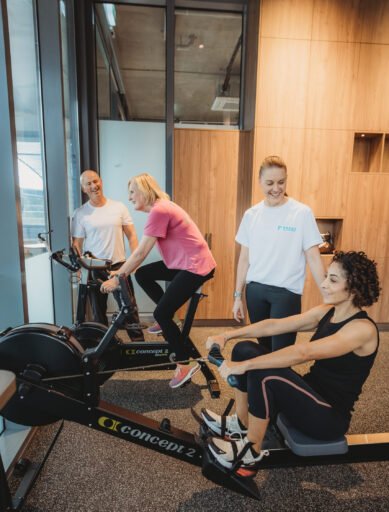
Focus is a private, appointment-only studio in Norwest. No crowds, no queues for equipment, no one watching. Just a calm space and a coach who knows their history. If you’re weighing the options, see our comparison of private personal training vs a gym membership.
Knowing what to do is rarely the problem. Doing it consistently is. A booked session with a coach who’s expecting you is one of the most reliable ways to keep someone exercising long enough to see the health benefits.
Referral should be a two-way relationship. When you refer a patient to us:
We’ve kept it simple:
If you’re a GP or practice manager in the Hills District, we’d love to drop in and introduce ourselves. Just get in touch through our contact page.
Yes. A GP can recommend a personal trainer at any time, and a written note with the patient’s precautions helps the trainer program safely. At Focus, we welcome referrals by email and keep the referring GP updated.
No. Medicare doesn’t cover personal training. Medicare-subsidised sessions with physiotherapists and exercise physiologists are available under some GP plans, and we work alongside those practitioners once a patient is ready for ongoing supervised training.
Exercise physiologists are allied health professionals who deliver clinical exercise rehabilitation. Personal trainers coach long-term training. For many patients, the best path is rehab with a physio or exercise physiologist first, then ongoing supervised training with us.
For most people, yes, and exercise is often a key part of managing the condition. Every client completes a health screening first, and we follow any precautions from their GP or allied health team.
If your GP has said it’s time to get stronger, lose some weight, or look after your heart, bones or joints, we can help you do it safely. Bring any advice from your doctor to your first session and we’ll build your program around it.
We’re a family-owned, private studio at G02/7 Maitland Place, Norwest, serving Bella Vista, Castle Hill, Kellyville, Baulkham Hills and the wider Hills District. Learn more about personal training in Norwest, read what to look for when choosing a personal trainer, or browse our FAQ.
Health and happiness,
Ryan Fraser
Source: Australian Institute of Health and Welfare, Physical activity. This article is general information only and doesn’t replace advice from your doctor or allied health professional.

If you work at Norwest Business Park, you already know the paradox. You’re surrounded by one of Sydney’s most beautifully…
13/08/2026

