

Healthy Nutrition Principles | Personal Training Bella Vista, Norwest & Hills District
Learn the healthy nutrition principles we teach at Focus Health & Fitness. Sustainable fat loss, better energy, and long-term habits…
11/05/2020
Learn the healthy nutrition principles we teach at Focus Health & Fitness. Sustainable fat loss, better energy, and long-term habits for busy adults in Bella Vista, Norwest and the Hills District.
FOCUS – Healthy Nutrition Principles
At Focus Health & Fitness, we do not believe in fad diets, quick-fix products, or extreme eating plans.
We believe in simple, sustainable nutrition principles that help high-responsibility adults improve their energy, body composition, health, and long-term lifestyle habits.
If you want results that last, your nutrition needs to be practical, repeatable, and realistic. That is exactly what we coach.
Most diets fail because they are short-term. People go “on” a diet, survive it for a while, then eventually go back to old habits.
Long-term success comes from building eating habits you can actually live with. Instead of looking for the perfect diet, focus on the principles and routines you can maintain for years.
Ask yourself:
Real health and body transformation come from consistency, not short bursts of restriction.
As often as possible, choose foods that are natural, unprocessed, and close to their original form.
Highly processed and packaged foods are often loaded with additives, preservatives, poor-quality fats, refined sugars, and ingredients that create internal stress and inflammation.
A simple rule is this: if the ingredient list is long and full of things you cannot pronounce, it is usually not a good daily food choice.
In general, reduce your intake of heavily refined foods such as:
When choosing between two options, choose the one that is more natural.
Ask yourself:
You do not need to be obsessive, but it is helpful to have some healthy food targets in mind so your intake stays balanced.
Aim roughly for:
These are not rigid rules. They are practical targets that help you develop awareness and better balance.
You do not need to track your calories forever, but doing so for 2–4 weeks every now and then can be a very smart exercise.
Tracking helps remove guesswork. Many people think they are eating well, but when they log their intake honestly, they realise they are either consuming too many calories, too little protein, or too many convenience foods.
Used properly, tracking is not about obsession. It is about education and awareness.
A useful tracking tool is MyFitnessPal, which allows you to log food intake and better understand your habits.
Track occasionally to:
There is no single perfect diet, just like there is no single perfect training program.
The best nutrition strategy is one that:
Some proven strategies include:
This is one of the simplest and most effective tools for body composition change. It works well on its own and also supports nearly every other nutrition strategy.
This does not mean zero carbs. It means reducing excess sugars and refined carbohydrates while improving protein intake to support satiety, muscle retention, and fat loss.
Read more here: Low Carb Tips
This can be a very useful strategy for some people, especially those who prefer fewer eating windows, but it is not suitable for everyone and needs to be applied intelligently.
Read more here: Intermittent Fasting Resources
If your goal is fat loss, you must generally eat slightly less energy than your body requires over time.
Think of this as running with your fat-loss fuel light on. You do not need to panic at the first sign of hunger. Learn to understand the difference between true hunger, boredom, stress eating, and habit eating.
That said, do not go to the other extreme either. Eating too little can lead to poor energy, low recovery, reduced training performance, and rebound overeating.
Ask yourself:
Variety matters.
Eating a wider range of quality foods helps improve nutrient intake, supports enjoyment, and can help you identify which foods make you feel your best.
If you eat the same foods every day, you may miss out on nutritional variety and may also become less aware of better options.
Ask yourself:
Many people do better when they eat more earlier in the day and less later at night.
A practical approach is:
This approach can help with energy, appetite control, and body composition.
If you regularly skip breakfast, eat lightly during the day, then overeat at night, that pattern often works against fat loss and stable energy.
Ask yourself:
You do not need to eat perfectly. You do need to eat well most of the time.
The 80/20 rule means focusing on quality nutrition and strong habits the majority of the time while still allowing flexibility for enjoyment and real life.
For many people, that means:
Ask yourself:
Hydration has a major impact on energy, appetite, training performance, recovery, and general health.
A simple target is to aim for approximately 30–40ml of water per kilogram of body weight per day, depending on your size, activity, and environment.
For example:
If you train hard, sweat a lot, or spend time outdoors, your hydration needs may be higher.
If you do not plan your food, you are much more likely to fall back on whatever is quick, easy, and convenient.
Meal planning and preparation help you:
Even simple planning makes a big difference. That might mean preparing lunches ahead of time, keeping healthy snacks ready, or having your dinner ingredients sorted before the day gets away from you.
Your body wants nutrients, energy, and nourishment. Your head often wants comfort, stimulation, or reward.
Cravings for sugary, highly processed, or stimulant-based foods are usually not your body asking for nourishment. They are often a response to stress, habit, fatigue, or emotional patterns.
Pay attention to how foods make you feel:
Your body gives useful feedback. Learning to notice it is a powerful skill.
At Focus Health & Fitness, we encourage clients to take a holistic, long-term approach to better health and body composition.
That means looking at:
We do not promote gimmicks or false promises. We coach practical habits that help people look, feel, and function better in real life.
With more than 25 years of personal training experience, our team has helped a wide range of people improve their health and fitness, from international athletes to older adults simply wanting to move, feel, and live better.
We understand that every person is different, and that the best nutrition and training approach is one that is tailored to the individual.
If you are looking for a long-term, realistic, evidence-informed approach to personal training and healthy living, we would love to help.
Explore our services here:
The next step in your 12-week process is Nutrition Tracking.
Once you understand these principles, tracking helps you put them into action in a more measurable and honest way.
Consistency and progression are the keys to success.
From sacrifice, bliss.
If you have any questions, please contact us here.
Focus Health & Fitness helps people across Bella Vista, Baulkham Hills, Norwest, Castle Hill, Glenhaven, Glenwood, Kellyville, Kellyville Ridge, The Ponds, Beaumont Hills, Kings Langley, Schofields, Kenthurst, Dural, Rouse Hill, Annangrove, and Galston improve their health, fitness, mobility, strength, and body composition.
If you are searching for personal training in Bella Vista, personal training in Norwest, or experienced personal trainers in the Hills District, our team is here to help.
healthy-nutrition-principles-personal-training-bella-vista-norwest-hills-district.jpg
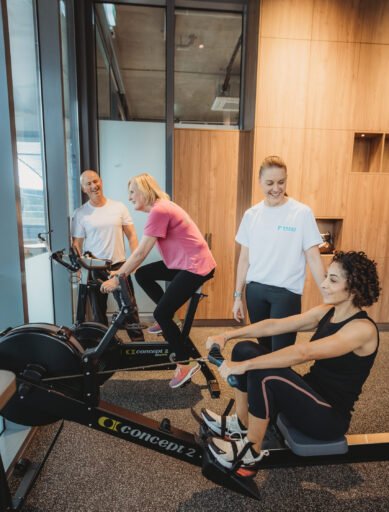
Healthy nutrition principles advice from Focus Health and Fitness personal trainers in Bella Vista and Norwest
Healthy Nutrition Principles | Focus Health & Fitness
Healthy nutrition habits and practical fat loss principles from Focus Health & Fitness in Bella Vista and Norwest.
A healthy nutrition principles resource page from Focus Health & Fitness explaining sustainable nutrition habits, fat loss strategies, hydration, meal planning, and long-term lifestyle change for clients in Bella Vista, Norwest, and the Hills District.
If you want help improving your nutrition, training, energy, and long-term health, our experienced personal trainers can help you build a practical plan that suits your lifestyle.
Contact Focus Health & Fitness or learn more about our personal training services.

12 week process, Bella vista, diet, fat loss, galston, glenhaven, health, hills district, intermittent fasting, metabolism, nutrition, personal trainer, weight loss, Wellness
If you work at Norwest Business Park, you already know the paradox. You’re surrounded by one of Sydney’s most beautifully…
13/08/2026

