
Low Iron in Women — Could Your Vitamin D Levels Be Playing a Role?
If you’re a woman living in Norwest, Bella Vista or the Hills District and you’ve been told your iron is…
22/04/2026
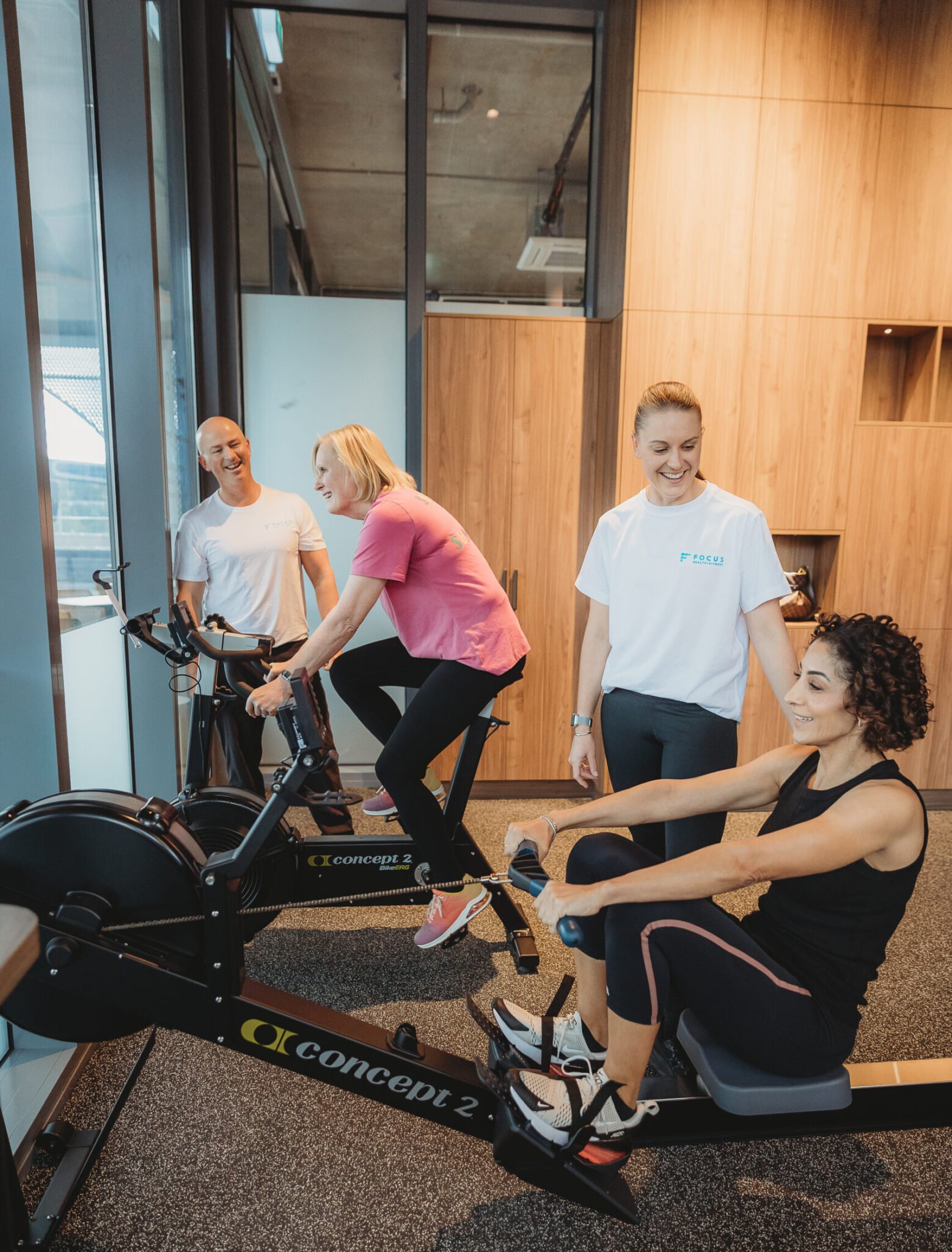
If you’re a woman living in Norwest, Bella Vista or the Hills District and you’ve been told your iron is low — but you’re eating well and taking supplements — there may be a missing piece of the puzzle. One that most people never think to check: your Vitamin D levels.
At Focus Health & Fitness, we take a holistic approach to health and fitness. That means looking beyond the gym floor at the lifestyle factors that affect how you feel, recover, and perform. This resource is designed to give you a clearer picture of how Vitamin D and iron are connected — and what you can do about it.
Iron is essential for producing haemoglobin — the protein in red blood cells that carries oxygen around your body. When iron is low, everything slows down. Energy drops. Brain fog sets in. Exercise feels harder than it should. Recovery takes longer. Many women chalk this up to being busy or getting older, when in fact their body is simply running low on a critical nutrient.
Low iron (iron deficiency) and iron deficiency anaemia are among the most common nutritional issues in women, particularly those who are menstruating, highly active, or not eating enough iron-rich foods.
Here’s where it gets interesting. Vitamin D doesn’t just support bone health and immunity — emerging research suggests it plays a direct role in iron absorption and regulation. Specifically, Vitamin D is thought to influence hepcidin, a hormone produced by the liver that controls how much iron your body absorbs from food and supplements.
When Vitamin D is low, hepcidin levels can rise. Higher hepcidin means your body absorbs less iron — even if you’re eating iron-rich foods or taking iron supplements. In simple terms: low Vitamin D can make it harder for your body to use the iron you’re giving it.
Australia has plenty of sunshine, but surprisingly, Vitamin D deficiency is very common here — especially in women. This is because most of us spend the majority of our day indoors, wear sunscreen when we do go outside, and cover up in winter. Living in suburbs like Norwest, Bella Vista and Castle Hill often means driving to work, sitting at a desk, and getting very little direct sun exposure during the hours when UVB rays are strong enough to trigger Vitamin D production in the skin.
Your body produces Vitamin D when skin is directly exposed to UVB sunlight — not through glass, and not through heavy sunscreen. A few minutes of direct sun on arms and legs around midday (outside of peak UV periods) is the most natural way to maintain healthy levels. In winter months in Sydney, this becomes harder as UVB rays are weaker and the days are shorter.
These symptoms overlap significantly, which is why it’s important to get both levels checked through a blood test with your GP rather than guessing.
The quick fix for most people is to throw iron tablets at the problem. But if your Vitamin D is low, you may be supplementing without fully absorbing. A more complete approach looks at:
Regular, structured exercise supports overall hormonal health, circulation, and wellbeing — all of which contribute to better nutrient utilisation. However, very high-intensity training without adequate recovery can actually increase iron loss through sweat and inflammation. This is another reason why a balanced, progressive approach to training is important — especially for women managing low iron.
Our Ryoga stretch and mobility classes are also a wonderful complement for women managing fatigue and recovery, supporting the nervous system, reducing stress, and improving how your body feels day to day.
Find out more about Ryoga — yoga and stretch classes in Baulkham Hills.
If you suspect low iron or low Vitamin D, the first step is a simple blood test through your GP. Ask specifically for a full iron studies panel and a 25-OH Vitamin D test. These are not always included in a standard blood test, so it’s worth asking directly.
Knowledge is the starting point. From there, you can make targeted changes rather than guessing — and that’s where real, lasting improvement begins.
At Focus Health & Fitness, we work with women across Norwest, Bella Vista, Castle Hill, Glenhaven, Kellyville and Rouse Hill who want to feel strong, energised and well — not just look fit. If you’d like guidance on how your training and lifestyle can support your health goals, we’d love to talk.
Book a consultation with our team here.
Health and happiness,
Ryan Fraser
Disclaimer: This resource is for general educational purposes only and does not constitute medical advice. Always consult your GP or a qualified health professional before making changes to your supplementation or health management.

baulkham hills, Bella vista, castle hill, hills district, kellyville, low iron, norwest, personal trainer, personal training, pt, vitamin d

Every week, GPs across the Hills District tell patients the same thing: “You need to exercise more.” Lose some weight….
23/10/2026
